After the Studio: Tracing Three Paintings Through America's Silent Resale Economy
The mythology of the American art market is built on discovery — the critic's early notice, the collector's prescient eye, the gallery that believed first. What almost no one discusses is what happens afterward, when a work leaves the studio for the last time and enters the long, quiet afterlife of resale. It is a economy that operates largely in whispers, and its beneficiaries are rarely the people who made the work possible.
The Sale Nobody Attends
Forget the televised evening auctions at Rockefeller Plaza. The majority of secondary-market volume in the United States moves through channels the public never sees: estate attorneys liquidating collections, private dealers brokering trades over lunch, and daytime auctions in unglamorous rooms where a single assistant records bids by phone. A contemporary painting that commanded attention at an art fair five years ago may change hands twice before anyone in the press notices it exists.
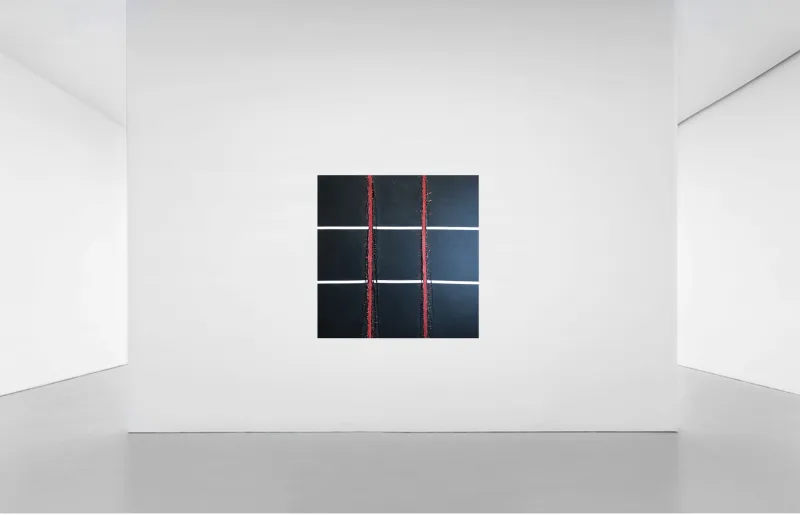
Consider a hypothetical but representative trajectory: an abstract canvas purchased directly from a Brooklyn studio in 2014 for $8,000. The buyer, a tech executive, hung it for a decade, then relocated and consigned it to a regional auction house. It sold for $47,000. The artist's gallery, per standard practice, received nothing. The artist received less.
The Anatomy of a Resale
The secondary market runs on three recurring figures. First, the estate — often the most consequential seller in American art, as baby-boomer collections begin transferring to heirs with little attachment to the work. Second, the private dealer, who thrives on information asymmetry: knowing which collector is quietly selling and which museum is quietly looking. Third, the auction specialist handling day sales, where estimates are conservative and reserves are low, and where much of the market's true price discovery occurs.
Each transaction leaves a trail of percentages. Consignment fees, buyer's premiums, and dealer margins stack up in ways that would be considered unconscionable in nearly any other trade. A work can appreciate four hundred percent while its maker watches from the outside.
What Artists Are Owed — and What They're Asking
The resale royalty, long standard in the United Kingdom and the European Union, remains absent from American law. California's dormant royalty statute was effectively nullified by federal copyright preemption, and legislative efforts have gone nowhere for decades. In the absence of law, some artists have turned to contract: resale clauses in sale agreements, blockchain-based provenance records, and gallery contracts that attempt to track works across generations of ownership.
Enforcement, however, is the persistent problem. A painting that resurfaces at an estate sale in Connecticut has no obligation to announce itself. Provenance research, once the province of scholars, has become a survival skill for artists' foundations.
Three Lives of a Work
Follow a single sculpture long enough and the pattern repeats. Made in a graduate program, sold for rent money, acquired by a regional collector, bequeathed to children who prefer the wall space, consigned, resold, and finally absorbed into a corporate collection where it hangs in a lobby no employee examines. At each stage, value accretes to intermediaries and owners — never to origin.
This is not necessarily villainy. Dealers take genuine risk in championing unproven work; auction houses provide liquidity that keeps the entire ecosystem functioning. But the asymmetry is structural, and it shapes which artists can afford to sustain a practice and which are quietly winnowed out.
Toward a More Honest Market
Change, when it comes, will likely arrive incrementally. Some American galleries now negotiate resale participation into primary contracts. Artist-endowed foundations have become vehicles for reclaiming long-term value. And collectors — particularly younger ones — increasingly treat provenance transparency as a mark of seriousness rather than an administrative burden.
The secondary market will never be glamorous. It is built on patience, discretion, and the slow arithmetic of appreciation. But a market that celebrates discovery owes some account of what happens after the discovery is made. The quiet deal, examined honestly, is where contemporary art's real economics live — and where its next reform debate will begin.