Small Is the New Serious: Why Miniature Works Deserve Wall Space in Every Collection
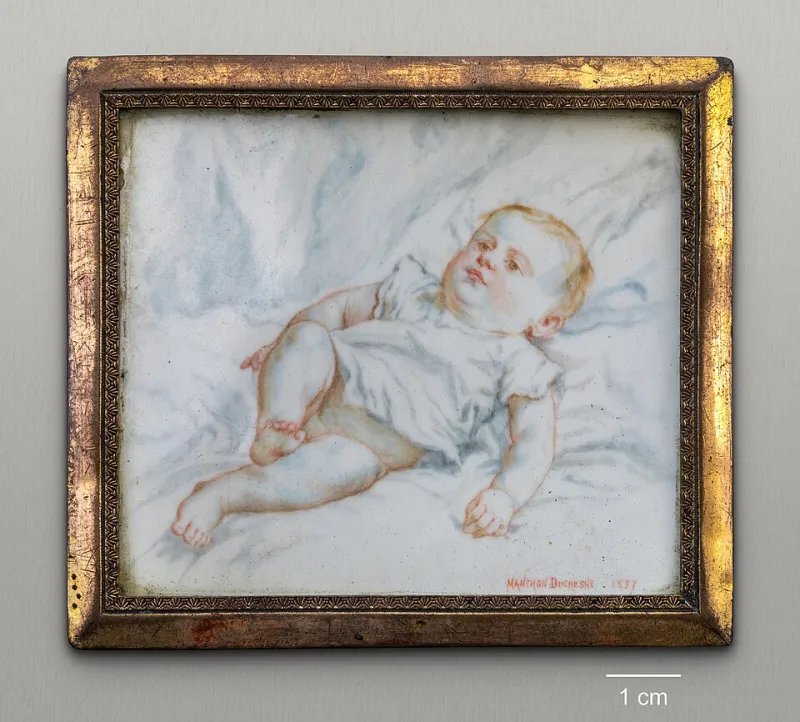
Photo: Unknown, Public domain, via Wikimedia Commons
Somewhere along the way, American collecting developed a size problem. The assumption took hold that serious art is large art — that a collection earns its credibility in square footage, that a painting isn't really a painting until it dominates a room. Walk into any art fair and the economics are visible immediately: the big booths get the crowds, the big canvases get the red dots.
It is time to make the opposing argument.
The Case for the Small
Small works are where collecting gets honest. A twelve-by-sixteen-inch painting cannot hide behind spectacle; there is nowhere for a weak passage to retreat. What survives at that scale tends to be genuinely good — composition, color, and touch distilled to their essentials. Collectors who learn to judge a small work develop an eye that transfers to everything else.
The financial logic is just as persuasive. Entry prices for small works from emerging artists are often a fraction of their large-format counterparts, which means a new collector can buy three or four artists instead of betting everything on one. That diversification matters in a market where nobody — not advisors, not galleries, not the artists themselves — can reliably predict who will matter in a decade.
The Artists Who Chose Small
Plenty of painters work small out of constraint — studio space, materials, time stolen from other jobs. But a growing number are choosing it deliberately. For them, the small canvas is a format of intimacy and intensity: a daily practice, a complete statement, a diary entry in oil.
"A big painting asks you to step back," one artist told us. "A small one asks you to come close. I'd rather be invited close."
That intimacy changes the relationship between object and owner. A miniature can live on a bookshelf, lean against a kitchen tile, travel in a coat pocket. It gets handled, noticed, revisited — a living presence in a household rather than a monument on a wall.
Galleries Are Catching On
A handful of American galleries have built entire programming models around smallness. Annual cash-and-carry salons — where every work is under a set price and under a set size — have become some of the most anticipated events on regional calendars, drawing lines around the block in cities from Portland to Philadelphia. The format flattens the market's usual hierarchies: first-time buyers and seasoned collectors stand in the same queue, chasing the same twelve-inch canvases.
These shows do something the statement-wall economy cannot. They convert curiosity into ownership. A visitor who would never ask the price of a six-foot painting will happily buy a six-hundred-dollar one, and in doing so crosses the threshold from observer to collector — often the hardest step in the entire journey.
Start Small, Stay Long
The advice to new collectors is simple: buy the small work by the artist you cannot stop thinking about. Buy a second one. Hang them together, tight and dense, the way the salons do. A wall of small works has more to say than a single big statement ever will — it shows a history of looking, of choices, of returning.
Scale impresses guests. Small works build collectors.