By Appointment Only: Inside the American Homes That Doubled as Museums
Photo: Fatma005, CC BY-SA 4.0, via Wikimedia Commons
The doorbell rings at noon on a Saturday in the Hudson Valley, and a couple from Brooklyn steps into a foyer that looks, at first glance, like any other well-kept American home. Then the coats come off, the host offers coffee, and the guests notice the abstraction hanging where a family portrait might be — a canvas they may have read about, priced well into six figures, now sharing wall space with a coat rack.
This is the new shape of private collecting in America: the house that doubles as an institution.
The Salon Returns, Minus the Velvet Rope
The practice of showing art at home is hardly new. The salons of eighteenth-century Paris, the drawing-room exhibitions of Gilded Age New York — collecting and hospitality have long shared an address. What's changed is the infrastructure. A network of regional collector circles, museum loan programs, and invitation-only platforms now connects homeowners willing to host scheduled viewings with curators, students, and buyers who might never otherwise stand three feet from the work.
Some of these homes operate a few weekends a year. Others run something closer to a calendar: salon nights with the artist present, loan exhibitions organized around a theme, small group visits booked through a collector's newsletter. The tone is deliberately informal. No labels at forty feet, no security barriers — just a host answering questions about a painting while standing close enough to see the brushwork.
"The white cube asks you to believe the art exists nowhere," one collector told me, asking that her name and town remain vague for reasons that will become obvious. "A living room asks you to believe it could belong to somebody. That's a different kind of honesty."
Insurance, Privacy, and the Practical Arithmetic of Open Doors
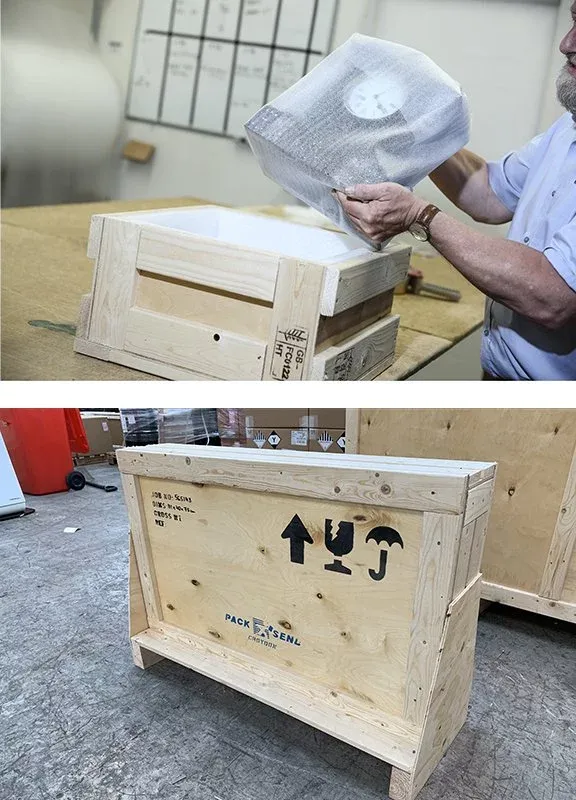
The romantic framing obscures a demanding operational reality. Hosting strangers in a home full of significant art requires a distinct insurance posture — many standard homeowners policies simply do not contemplate members of the public crossing the threshold. Collectors describe adding umbrella liability coverage, scheduling visits through formal waivers, and in some cases working with their insurers' risk assessors before the first invitation goes out.
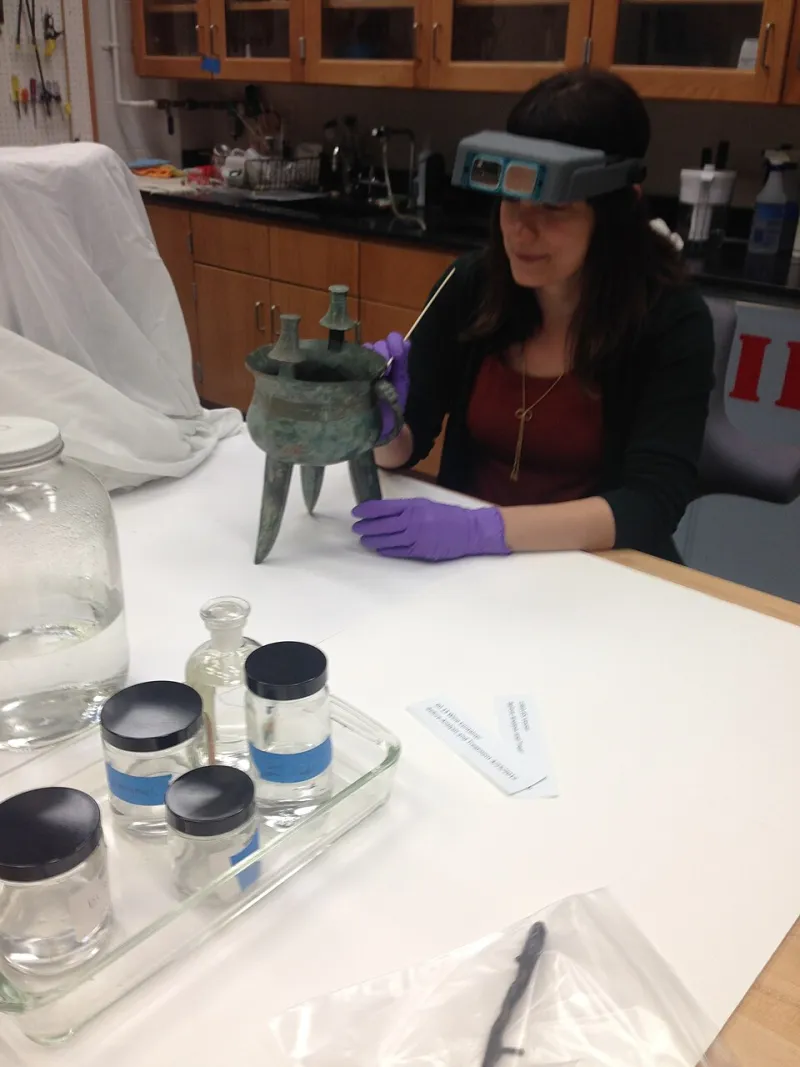
Light is another quiet battle. Works on paper come down or move to interior walls before the summer months. HVAC settings are treated with the seriousness a small museum would apply. Several collector-curators spoke of installing discreet environmental monitors, the data reviewed alongside more familiar household concerns.
Privacy, unsurprisingly, is the most negotiated term. Nearly everyone I spoke with limits photography, uses first names only, and thinks carefully about which rooms stay open. One collector in the Midwest described a simple rule: guests see the art floor, not the family floor. The staircase to the second story, where the children's rooms sit, is where the tour ends.
"You're not running a museum," another host explained. "You're running a very controlled act of generosity. Control is the word doing the heavy lifting there."
The Strange Pleasure of Shared Walls
Why do it at all? The answers circle around a common idea: art that is never seen begins to feel like furniture. Several collectors described the moment a work enters public circulation — even informally — as the moment they truly see it again. Guests ask questions the owner had stopped asking. An artist's decision that had faded into the background suddenly becomes a conversation.
There is also a market logic, acknowledged reluctantly. Collectors who open their homes build reputations as serious eyes. Dealers take their calls. Emerging artists, whose work might otherwise wait years for institutional attention, find an audience of dozens in a living room in Connecticut or a converted warehouse loft in Marfa-adjacent Texas. For the artists, a home viewing can be more persuasive than any booth: the work seen in domestic light, at domestic scale, beside the complications of an actual life.
What It Means for the White Cube
Galleries have noticed. A number of commercial spaces now program home-loan exhibitions or partner with collectors for off-site showings, effectively acknowledging that the most convincing sales environment may be a kitchen. Museums, too, have leaned on private collections for loans, and some collector-curators describe their open houses as a civic supplement — filling gaps regional institutions no longer have the budgets to fill.
The traditional white cube is unlikely to disappear. But its monopoly on the encounter between art and audience is eroding, one scheduled Saturday at a time. In its place is something older and stranger: the recognition that art was, for most of its history, made for rooms people actually lived in.
The couple from Brooklyn stayed two hours. On their way out, the host handed them a card for the next salon — a small, plain thing, more like a dinner invitation than a ticket. That, several of the collectors agreed, is precisely the point. The institution they are building has no lobby, no gift shop, and no closing time. It just has a door, and a willingness to answer it.