One Room, Twelve Weeks: Inside the Appointment-Only Collections America Can't Stop Talking About

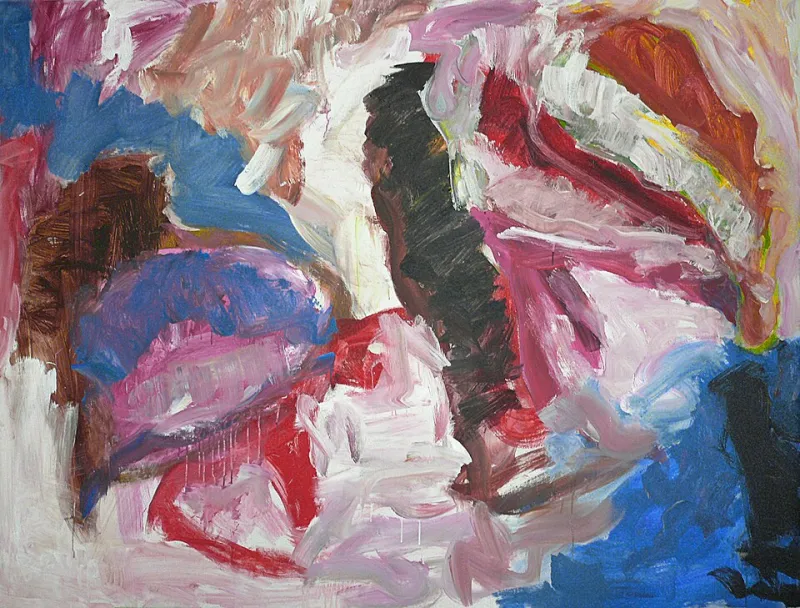
Photo: Unknown, CC0, via Wikimedia Commons
The email arrives on a Tuesday. Confirmation of your appointment — three weeks from now, forty-five minutes, party of two. No walk-ins. No exceptions. In an era when most museums are begging for foot traffic, a small network of American collections has chosen the opposite path: one room, a reservation system, and a line that stretches longer than most regional museums' annual attendance.
These are not the institutions with endowments and parking garages. They are converted bungalows, second-floor galleries above working studios, and single-purpose rooms where a dozen objects — sometimes fewer — are given the kind of attention a traveling blockbuster can never afford. And their waiting lists, curators will tell you, are not a problem to be solved. They are the point.
The Architecture of Scarcity
Scarcity has always been part of art's economy, but these collections have made it structural rather than accidental. Appointment-only viewing traces back to the study rooms of old European collections, where scholars requested works from storage and examined them under supervision. What's changed is the audience. Today's waitlists are populated not by academics but by collectors, designers, and the curious — people who heard about the room from a friend of a friend and want in before the circle closes.
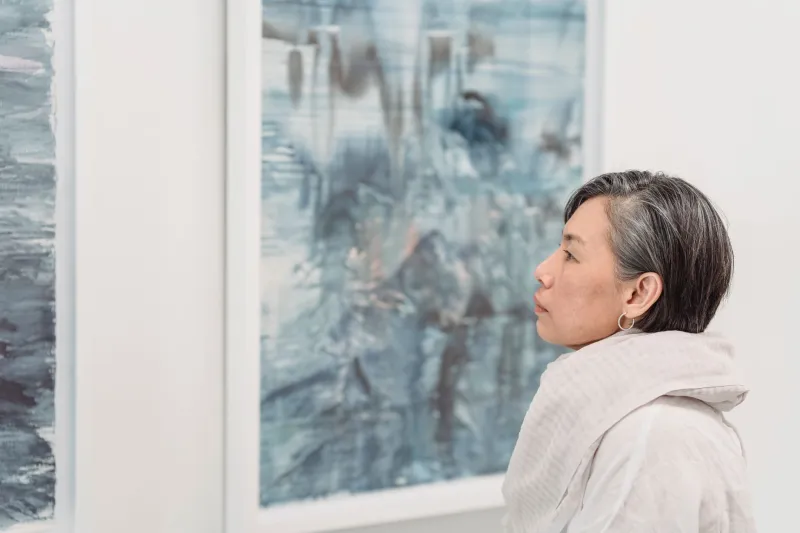
The effect is unmistakable. A visitor who has waited six weeks does not stroll. She arrives early, silences her phone without being asked, and stands in front of a single painting the way one might stand before an altar. The queue does what wall text cannot: it manufactures reverence in advance.
Three Rooms, Three Philosophies
Consider three models currently operating in the American landscape.
The first is the domestic collection — a private home, often in a mid-sized city, where the owner opens one room to small groups on two afternoons a week. The works hang in residential light, among bookshelves and morning sun, and the waitlist exists partly because the host can only receive so many strangers. Visitors describe the experience as less a museum visit than a visit, full stop. The intimacy is real because the setting is real.
The second is the single-work institution. Built around one significant object — a major canvas, an installation too fragile to travel — these collections schedule half-hour slots and admit four people at a time. The waiting list here functions as crowd control, but also as conservation policy. Fewer visitors means better air, steadier humidity, longer life for the work. Scarcity, in this case, is not marketing. It is stewardship wearing the costume of exclusivity.
The third is the artist-adjacent collection: a room maintained by a studio or estate, showing work that will never be loaned, never reproduced, never photographed for publication. The only way to see it is to wait. Here the list becomes a rite of passage, and the refusal to circulate images online is itself a curatorial statement — a bet that presence still matters in a screen-saturated market.
Protection or Performance?
Critics of the model are not hard to find. Some argue that appointment-only access is gatekeeping with better manners, filtering audiences by social capital — knowing whom to email, having the leisure to wait, living within driving distance of a room most Americans will never see. A museum with a free Tuesday schedule is, whatever its flaws, more democratic than a bungalow with a six-week backlog.
Defenders counter that intimacy requires constraint. A hundred visitors a week, they say, preserves the very thing these rooms exist to protect: sustained, unmediated looking. When the crowd is small, the guard steps back, the audio guide disappears, and the work gets the silence it was made for.
Both arguments contain truth, and the honest answer may be that the waitlist does both jobs at once. It protects the experience and inflates its value. It deepens attention and sharpens desire. The question is whether art needs desire manufactured at all — or whether, in a culture of infinite scroll, a twelve-week wait is simply the last honest price of admission.
What the Queue Teaches the Rest of Us
For collectors and curators watching this corner of the market, the lesson is less about exclusivity than about pacing. The waitlist room insists that encounter is an event, not an errand. That a single painting, seen slowly, outperforms a wing of paintings seen in passing.
Whether the model scales is almost beside the point. It can't, and its practitioners know it. The smallest collections in America will stay small, and the lines will stay long, and somewhere a visitor will finally step through the door — weeks after writing the email — and understand why nobody in the room is in a hurry.