Red Dots and Second Guesses: One Opening Night, Followed Painting by Painting
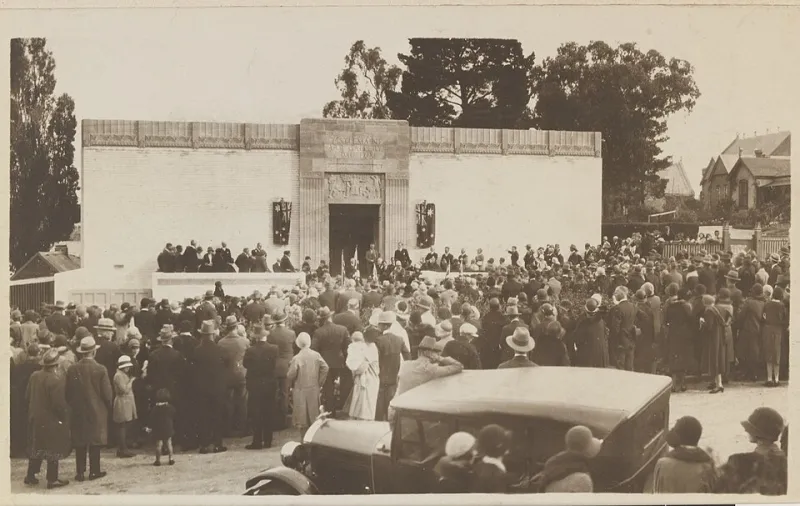
Photo: Unknown authorUnknown author, Public domain, via Wikimedia Commons
The opening is the most public hour of an exhibition's life and the least understood. Visitors see wine, conversation, and the occasional red dot appearing beside a label. What they do not see is the parallel economy running in real time — a quiet machinery of pricing decisions, permissions, and second-guessing that determines which paintings go home with someone and which go back to the racks.
We spent one First Friday inside a mid-size American gallery doing exactly that.
The Preview Math
Before the doors open, the arithmetic is already done. The gallery and artist have agreed on retail prices, usually scaled by size and by the artist's recent sales history — a modest, almost bureaucratic escalation rather than the leaps outsiders imagine. Works are priced to leave: too high and the show stalls, too low and the artist's market position flattens for years.
A preview list has already gone out to a handful of trusted collectors. By the time the opening begins, two or three works are often spoken for. The red dots that appear in the first hour are rarely spontaneous; they are confirmations of deals made days earlier, visible to the room as proof of momentum.
The First Hour: Momentum and Its Uses
Momentum is the gallery's most valuable inventory. When a sale happens early, staff place it visibly — dot on the wall, conversation steered toward it. Nothing sells a painting like the evidence that someone else wanted it. Collectors read the room the way traders read a tape.
But momentum cuts both ways. A show that goes an hour without a sale changes temperature; staff get busier, conversations get shorter, and the evening's quiet goal shifts from selling the best piece to selling anything.
The Invisible Negotiations
The most delicate moments happen in half-heard exchanges near the back. A serious collector asks, almost apologetically, whether there is any flexibility on a mid-range piece. The director's answer depends on a web of considerations: the collector's history, the artist's feelings, whether the gallery has promised the work to anyone else, and how the discount will read in the price history if the painting resells.
A ten percent courtesy for a known collector is routine and unrecorded. Anything deeper gets negotiated with the artist, sometimes that night, on a phone call from the loading dock. One painter described the experience as "watching your prices get discussed in a language you're still learning."
Placement Is Pricing
Where a work hangs is itself a financial decision. The wall visible from the entrance carries the show's highest expectations; the corridor near the office is where the gallery puts works it most wants to move, because that is where the serious conversations happen. By mid-evening, staff are quietly repositioning pieces — not for aesthetics, but because a painting that has drawn three second looks in the wrong spot might sell from the right one.
What the Night Decides
By closing, the ledger tells the real story. Of the twenty-two works in the show, nine sold, three are on hold pending payment, and ten return to inventory — where, the director notes without drama, they may sell in a year, or never, or to a museum. The unsold works are not failures; they are the exhibition's long tail, repriced and re-encountered in future previews.
The opening night, it turns out, is not where prices are made. It is where prices are tested — one red dot, one hesitation, one quiet negotiation at a time.