Track Lists and Underpaintings: When Painters Start Thinking Like Producers
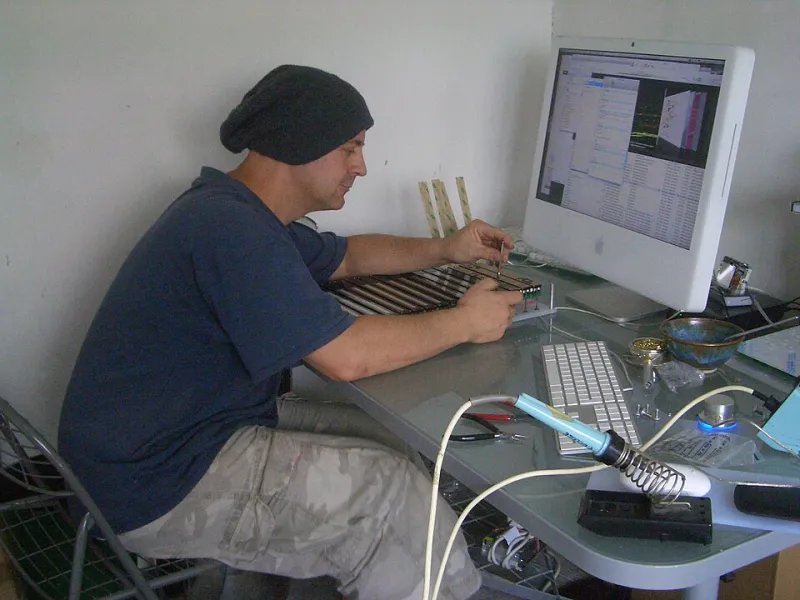
The first thing you notice in Marcus Ellery's studio in Marfa is the whiteboard. It looks less like a painter's schedule and more like a producer's session sheet: dates, take numbers, a column labeled 'STATUS' where entries read BOUNCE, ROUGH, and, in one satisfying instance, MASTERED.
Ellery, who spent his twenties engineering sessions in Austin before turning to oil paint full-time, doesn't think the vocabulary is a metaphor. 'A record has takes. A painting has layers. A producer knows when to stop tweaking the mix,' he says. 'Most painters I knew were suffering because nobody taught them the second part.'
He is not alone. Across the country, a quiet methodological migration is underway, as visual artists borrow the working habits of the recording studio — and, in doing so, start asking uncomfortable questions about finishedness, release schedules, and whether the art world's disdain for the 'drop' is beginning to soften.
The Take Log
Ellery's whiteboard is the polite version of a practice more artists are adopting: the session log. Photographers have long kept contact sheets; painters, traditionally, have kept secrets. The romantic myth of the studio — the lone genius, the mysterious process — has historically discouraged documentation. But a generation raised on liner notes, B-sides, and deluxe reissues sees the archive differently.
In Philadelphia, painter Dana Okafor photographs every canvas at the end of each working day and files the images by date, the way a producer might file stems. 'When I get stuck, I don't stare at the painting,' she explains. 'I scroll back through the takes. Sometimes version eleven had something version twenty lost.' Her studio wall currently holds three works in what she calls 'the vault' — pieces she considers finished but has chosen not to release, in the hope that distance will tell her whether they're singles or deep cuts.
The language is casual, but the implications are structural. If a painting can be an outtake, then the exhibition is no longer the only unit of release. The studio becomes a label with a catalog.
Remastering the Canvas
The producer's most contested skill — knowing when a track is mastered — maps onto the painter's oldest anxiety: when to stop. Every art student has heard the warning about overworking a canvas. Few have heard it framed as a mixing decision.
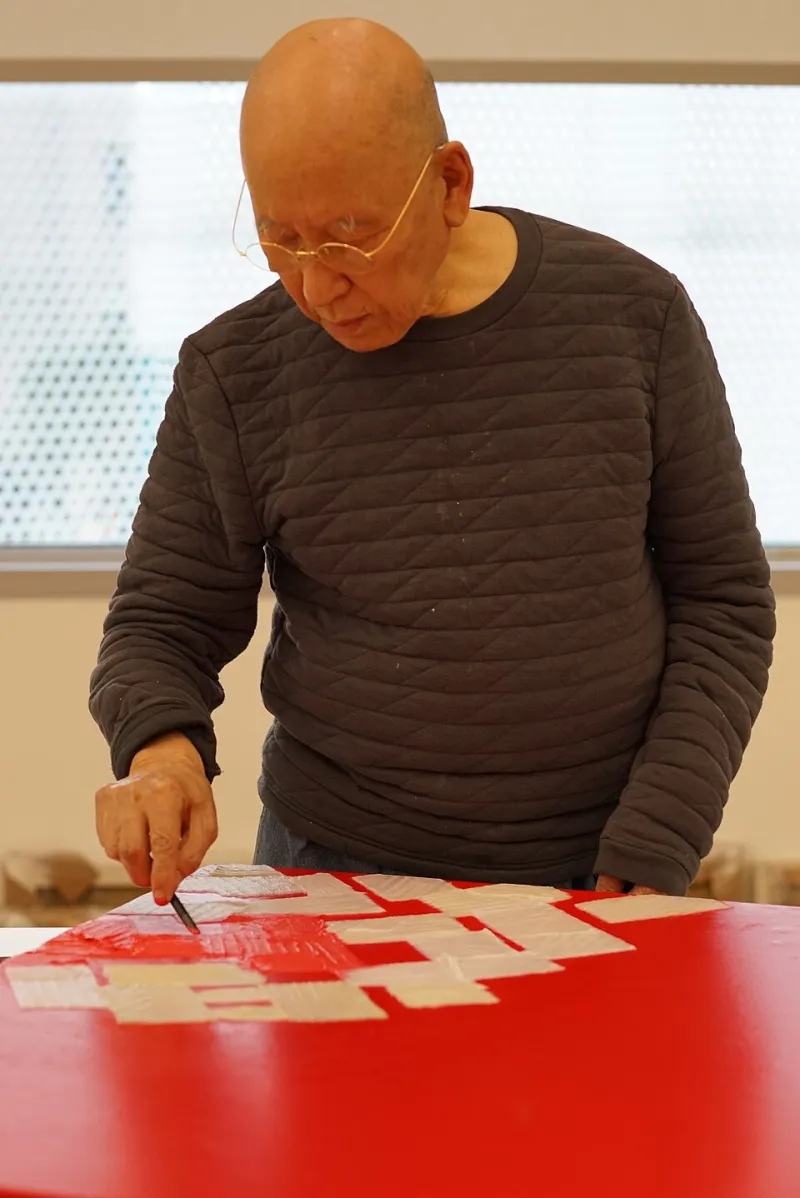
'In the booth, you learn that the last ten percent of tweaks usually makes the song worse,' says Ellery. 'You're not improving it. You're just marking time, avoiding the release. I treat a painting the same way now. When I start making changes that only I can see, it's done.'
This is not merely productivity advice. It reframes the entire economics of a studio practice. Painters who log sessions report pricing their work differently — not by size alone, but by number of sessions, the way a label might account for studio time. Whether collectors will ever see that arithmetic is another question. But the internal ledger, as we've explored before in these pages, shapes the external price whether or not anyone admits it.
Is the Drop Coming for Art?
The more provocative question is cultural. The music industry learned to release in singles and drops; the art world has largely refused, holding sacrosanct the slow rhythm of the solo exhibition. Yet resistance shows signs of erosion. Artists on Instagram already release work in something like singles — one canvas, one caption, one midnight posting. Some have begun timing reveals deliberately, building anticipation the way a label teases an album.
Okafor is skeptical of the full drop model. 'A painting isn't consumable the way a track is. You don't loop it on your commute,' she says. 'But the rhythm? Releasing work steadily instead of hoarding it for a biennial show? That I believe in. Collectors under forty expect a pulse.'
Ellery goes further. He stages what he calls 'listening sessions' — small, unadvertised gatherings in his studio where visitors hear him talk through the take log of each unfinished canvas before seeing it. 'Producers play rough mixes for friends. Why should painters be too proud?' The sessions, he notes, have sold more work than any gallery opening he's had.
What the Easel Owes the Desk
None of this suggests painting is becoming music, or that the exhibition will yield to the drop. But the crossover reveals something the art world rarely says aloud: the studio album, for all its commercial baggage, solved problems painters still struggle with — documentation, pacing, the courage to declare a thing finished.
The whiteboard in Marfa will be erased and rewritten, take after take. Somewhere in the archive are canvases that will never hang, and that, Ellery insists, is the point. 'Every good record has a vault,' he says, cleaning a brush. 'The vault is how you know you're actually working.'